Orchid Blooms Again

Camille Dubois
| 08-11-2026
 · Cate team
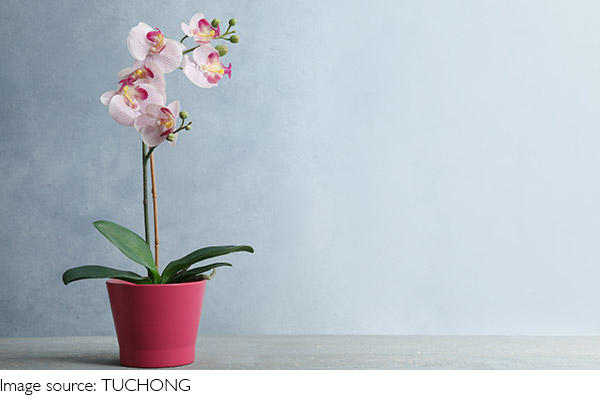
Phalaenopsis orchids are popular houseplants because of their elegant flowers, attractive leaves, and long blooming periods. However, once the flowers fade and fall, many plant owners wonder whether their orchids will bloom again.
Fortunately, these plants can produce another round of flowers with proper care. The secret is to help them recover, maintain healthy growth, and provide suitable conditions for new flower spikes.
1. Provide Suitable Daily Care
Healthy growth is the foundation of another blooming cycle. After flowering, continue caring for the orchid by paying attention to light, watering, and humidity.
Phalaenopsis orchids prefer bright, indirect light. A position near a window can provide gentle natural light without exposing the leaves to strong sunshine. During darker periods, a plant light can provide additional support.
Watering also requires attention. These orchids prefer moisture without constantly wet growing material. Check the medium before watering, and add water when it begins to dry. Allow excess water to drain completely.
Avoid letting water collect in the center of the leaves because this can encourage decay. During dry weather, light misting can help increase surrounding humidity, but good air circulation is still important.
2. Prune the Flower Spike Carefully
Pruning after flowering can help the plant direct its energy toward healthy growth. However, the condition of the flower spike determines what to remove.
If the entire spike turns yellow or becomes dry after the flowers fall, cut it close to the base. Use clean, sharp scissors to make a neat cut.
If the spike remains green, leave it for observation because it may produce additional growth. Avoid removing healthy leaves unnecessarily, as they help the plant maintain its energy and develop new roots.
3. Maintain Balanced Nutrition
After flowering, a Phalaenopsis orchid needs time to rebuild its energy. Appropriate fertilization supports new leaf and root development before the next blooming period.
During active growth, use a diluted liquid fertilizer containing nitrogen, phosphorus, and potassium. Nitrogen supports leaf development, while phosphorus and potassium contribute to overall plant health and flowering.
Applying diluted fertilizer approximately every two weeks during the growing season can be suitable, provided you follow the product instructions. Avoid using concentrated fertilizer, as excessive nutrients may damage the roots.
When growth slows, reduce feeding or pause fertilization if necessary. A balanced routine is more helpful than applying large amounts of a particular nutrient to force flowering.
4. Control Temperature and Air Circulation
Temperature changes can influence the development of new flower spikes. Phalaenopsis orchids generally grow well at daytime temperatures of 25–28°C and nighttime temperatures of 18–20°C.
A moderate difference between daytime and nighttime temperatures can encourage flower development. A difference of approximately 5–10°C may provide suitable conditions.
Keep the plant in a well-ventilated area, especially when humidity is high. Avoid placing it directly in strong air currents or exposing it to sudden temperature changes.
5. Repot When Necessary
As an orchid grows, its roots may become crowded, and the growing medium may gradually lose its structure. Repotting can help provide better growing conditions.
Spring is a convenient time to consider this task. Choose a container with drainage openings and suitable orchid growing material. Handle the roots gently and remove only sections that are clearly damaged or unhealthy.
Repotting should depend on the plant's actual condition rather than being treated as a necessary step after every flowering period.
6. Be Patient and Observe New Growth
Every Phalaenopsis orchid has its own growing rhythm. Some plants may produce new flower spikes sooner than others, depending on their health and environment.
Check the leaves, roots, and growing medium regularly. Healthy leaves and developing roots are useful signs that the plant is recovering.
Keeping simple records of watering, fertilization, and growth can also help you understand its needs and adjust your routine.
Final Thoughts
Encouraging a Phalaenopsis orchid to bloom again is mainly about maintaining its health between flowering periods. Suitable light, careful watering, balanced nutrition, appropriate temperatures, and thoughtful pruning all contribute to successful growth.
Give your orchid enough time to recover rather than trying to force flowers to appear quickly. With consistent care and patience, you may soon enjoy another beautiful display.
How to get your Phalaenopsis orchids to flower again
Video by Gardening at 58 North