Features worth your money

Yuna
| 09-11-2026
 · Automobile team
Walk into a car dealership, and the list of available features can feel endless. Panoramic sunroofs, oversized screens, premium sound systems, and decorative lighting all compete for attention. But an impressive list of options does not necessarily make a car better to own.
The smartest purchases are often the least flashy. Features that improve safety, reduce fatigue, simplify daily driving, or lower running costs can deliver value for years. Before paying for another upgrade package, consider what you will actually use on your regular journeys.

Safety tech earns its keep
Automatic emergency braking and blind-spot warning systems deserve a place near the top of your checklist.
Research from the Insurance Institute for Highway Safety and other road safety organizations has linked these technologies to reductions in certain types of crashes.
Forward collision warning can alert drivers to danger ahead, while automatic emergency braking may intervene if a collision becomes likely.
Blind-spot monitoring is particularly useful during lane changes, although it does not replace checking mirrors and looking over your shoulder.
Availability varies by model, trim, and market, so do not assume every new car includes these features.
Check the equipment list carefully and look for independent safety ratings before choosing an expensive upgrade package.
Comfort where you sit
A comfortable driving position matters more than many luxury extras, especially if you spend hours commuting.
Look for supportive seats, adjustable lumbar support, and sufficient seat height and steering-wheel adjustment to suit your body.
Power seats with memory settings can be particularly convenient when two people regularly share a vehicle.
Heated seats are useful in cold climates, while ventilated seats may be worthwhile in hot or humid conditions.
During a test drive, spend time adjusting the seat and checking visibility, pedal reach, and lumbar support.
A seat that feels uncomfortable after fifteen minutes is unlikely to become more pleasant over the course of a long journey.
The screen you'll stare at
A large infotainment display can look impressive, but usability matters more than screen size.
Simple menus, quick responses, and clearly arranged controls make everyday driving less frustrating.
Physical buttons or knobs for frequently used functions, such as volume and temperature, can also reduce the need to navigate touchscreen menus.
A few software options are available for navigation, music, and compatible phone applications, although availability and connection methods vary by manufacturer.
Test the system before buying.
Connect your phone, adjust the climate controls, and try entering a destination while parked.
A responsive, intuitive interface is usually more valuable than a collection of complicated features you rarely need.
Efficiency you can measure
Fuel economy and electric driving range can have a greater financial impact than optional luxury equipment.
Different engines, wheel sizes, transmissions, and drivetrains can produce noticeably different efficiency figures, even within the same model range.
All-wheel drive may improve traction in certain conditions, but it can also increase energy consumption.
For electric vehicles, compare realistic driving range, charging speed, and access to convenient charging.
If you are considering a plug-in hybrid, compare its electric range with your daily travel needs and consider how often you can recharge it.
A plug-in hybrid generally delivers its greatest fuel-saving benefits when it is charged regularly.
Use official efficiency ratings as a starting point, remembering that real-world results vary with weather, speed, and driving habits.
The warranty and service plan
Warranty coverage and maintenance costs deserve attention before you sign a purchase agreement.
Some manufacturers offer extended powertrain warranties, but coverage often depends on the country, vehicle model, ownership status, and maintenance requirements.
For example, Hyundai and Kia have offered 10-year or 100,000-mile powertrain warranties for eligible original owners in the United States, with different terms applying elsewhere.
Some Toyota vehicles in the US also include two years of scheduled maintenance under ToyotaCare.
These benefits should never be assumed to apply in every market.
Ask the dealer about exclusions, servicing requirements, warranty transfers, and the cost of scheduled maintenance.
A generous-looking warranty is only valuable when you understand what it actually covers.
Which extras can you skip?
Not every optional feature delivers enough everyday value to justify its price.
Ambient lighting, oversized wheels, panoramic roofs, and elaborate entertainment systems may appeal to some buyers, but they are not essential for everyone.
Larger wheels can sometimes reduce ride comfort and increase tire replacement costs.
A panoramic roof may brighten the cabin, although it can also add weight and allow more heat into the interior.
Before selecting an upgrade, ask how often you will use it and whether it improves your driving experience.
Consider choosing a lower trim level with the essential equipment included, rather than paying for a premium package filled with extras you do not need.
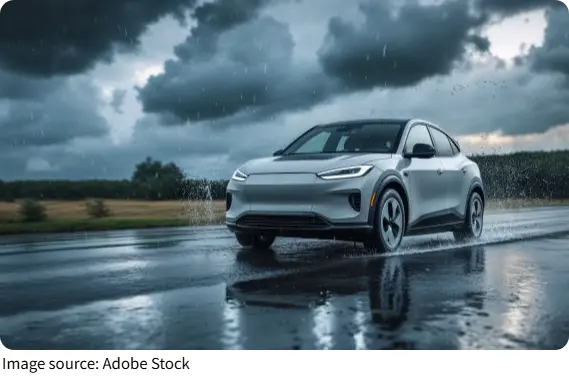
Buying a car becomes easier when you focus on everyday value instead of showroom appeal. Proven safety technology, comfortable seating, straightforward controls, efficient performance, and sensible warranty coverage can make ownership more enjoyable and affordable. Optional extras are not necessarily bad purchases, but they should match your needs rather than someone else's idea of luxury. Before committing, compare equipment lists, calculate likely running costs, and take a thorough test drive. The best features are the ones you continue appreciating long after the excitement of buying a new car has faded.