Peach Gum Preparation

Caleb Ryan
| 10-11-2026
 · Cate team
Peach gum is a natural ingredient collected from peach trees. When dried, it looks like small amber-colored crystals. After soaking in water, however, it expands into soft, translucent pieces with a slightly chewy texture.
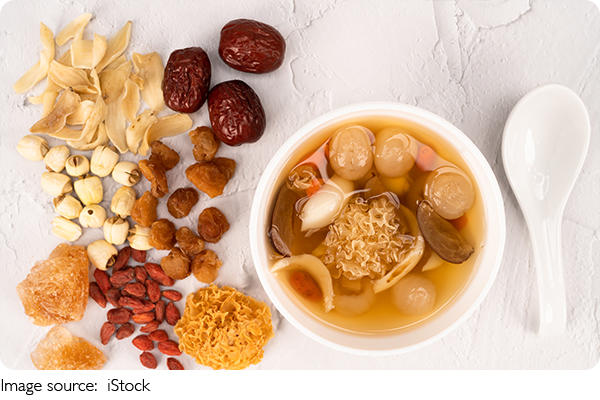
Its mild taste makes it suitable for homemade desserts, especially sweet soups with white fungus, red dates, and lotus seeds. Before cooking, dried peach gum needs careful preparation. Soaking, cleaning, and simmering are essential steps for achieving a pleasant texture.
What Is Peach Gum?
Peach gum is the hardened sap released naturally by peach trees. After drying, it becomes firm, irregular pieces that vary in size and color. Some are pale yellow, while others have deeper amber shades.
Its ability to absorb water makes it interesting to prepare. Once soaked, the pieces become much larger and softer. Because peach gum has a mild flavor, it blends easily with ingredients that provide sweetness and fragrance.

Step 1: Soak the Dried Peach Gum
Soaking is the first and most important preparation step. Place the dried peach gum in a large, clean bowl and cover it completely with plenty of cold water. Let it soak for approximately 12 to 24 hours.
During this time, the hard pieces gradually absorb water and expand. Larger pieces may need more time than smaller ones, so check their texture before continuing.
Change the soaking water two or three times to remove loose particles. During warm weather, keep the bowl in the refrigerator instead of leaving it at room temperature for many hours.
Before moving to the next step, check the center of the larger pieces. They should feel soft without any hard, dry sections.
Step 2: Clean and Remove Impurities
After soaking, peach gum may contain small pieces of tree bark, dark particles, or other natural impurities. These should be removed before cooking.
Transfer the softened pieces into a clean bowl and rinse them gently under running water. Separate them with your fingers so hidden particles are easier to find.
Carefully remove visible bark, dark spots, and unusually hard fragments. Repeat the rinsing process until the peach gum looks reasonably clean.
Avoid squeezing or rubbing it too firmly because the softened pieces can break apart easily. Taking enough time during this stage helps improve the appearance and texture of the finished dessert.
Step 3: Simmer Until Soft
Place the cleaned peach gum in a suitable cooking vessel and add enough fresh water to cover the pieces.
Bring the water to a boil, then reduce the heat and simmer gently for approximately 30 to 60 minutes. Cooking time depends on the size of the pieces and how thoroughly they were soaked.
As the peach gum cooks, it becomes softer and develops a slippery, jelly-like texture. Check the larger pieces before turning off the heat. They should be soft and pleasant to chew, without a firm center.
If some pieces remain hard, continue simmering and check them again after a short interval.
Step 4: Choose Suitable Ingredients
Peach gum has a mild taste, making it easy to combine with different dessert ingredients.
White fungus provides a soft texture, while red dates add natural sweetness and fragrance. Dried longan brings a gentle fruity note. Lotus seeds are another possible addition for extra variety.
Milk can also be added near the end of cooking for a creamier dessert. If you prefer additional sweetness, use a small amount of sugar according to your taste.
There is no need to make the mixture excessively sweet. A balanced combination allows the natural flavors of the ingredients to remain noticeable.
Storage and Eating Precautions
If you soak more peach gum than needed, place the softened pieces in a clean, covered container in the refrigerator and use them promptly. Avoid leaving soaked peach gum at room temperature for extended periods, especially in warm weather.
If it develops an unusual smell or other signs of spoilage, discard it.
Peach gum contains polysaccharides and soluble dietary fiber, but it is not medicine and cannot replace appropriate treatment. People with sensitive digestion may experience bloating or discomfort after eating large portions. Those managing blood sugar should also consider the amount of added sugar.
People who are pregnant or have a history of food allergies should seek professional advice before trying unfamiliar ingredients. Stop eating it if a rash or digestive discomfort develops.
Final Thoughts
Preparing peach gum properly involves three essential steps: soaking until soft, removing visible impurities, and simmering until tender. Once prepared, it can become a versatile ingredient in homemade dessert soups.
With clean preparation, suitable ingredients, and moderate portions, peach gum can add an interesting texture to everyday desserts. Taking enough time with each step is the simplest way to enjoy it.
How to clean dried PEACH GUM | kitchen goers
Video by KITCHEN goers