Why EVs Skip the Grille

Priya
| 10-11-2026
 · Automobile team
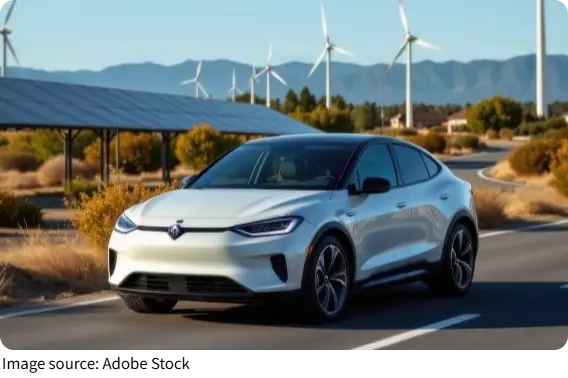
At first glance, many electric cars look noticeably different from gasoline-powered cars. Their smooth front ends can make it seem as though something is missing: the grille.
The grille is more than a decorative detail. Looking at what it does on a gasoline-powered car helps explain why an electric vehicle (EV) can have a very different front end.
Why Traditional Cars Need Grilles
Internal combustion engines produce power by mixing fuel with air and burning the mixture inside the engine. This process generates considerable heat, so the engine needs a cooling system to keep it from getting too hot.
Coolant circulates through the engine, absorbs heat, and travels to the radiator. The grille provides an opening for outside air to pass through the radiator and carry heat away. Air entering through the grille can also help cool other components.
The engine also needs an intake to draw in air for combustion, a separate job from cooling the radiator. Cooling needs vary by vehicle. Larger or more powerful engines generally need substantial cooling capacity, which helps explain why some performance cars have particularly large front grilles.
How Electric Cars Manage Heat
Electric motors draw power from batteries rather than burning fuel, so they do not need an intake for combustion. But that does not mean EVs operate without producing heat or can do without outside airflow altogether.
Batteries can become warm during charging and demanding driving. Other components, including the inverter, also generate heat while the vehicle is operating. The inverter converts direct current from the battery into alternating current for the motor.
Battery temperature is particularly important. Batteries are designed to operate within a specific temperature range, and excessive heat can cause them to degrade faster. Even without a combustion engine, an EV needs to manage the heat its battery and electronics produce.
Air Cooling and Liquid Cooling
Electric cars can use air cooling, liquid cooling, or a combination of both. The approach depends on the vehicle's design and how much heat its components need to shed. The Porsche Taycan and Audi e-tron GT are examples of performance-focused electric cars that combine air and liquid cooling.
In an air-cooled system, moving air carries heat away from components. Liquid cooling works differently. Coolant flows through channels near components, absorbs heat, and carries it to a heat exchanger. There, heat can pass from the coolant into the surrounding air.
Some EVs have small openings or flaps in their front panels instead of a large grille. These flaps can stay closed when less cooling is needed and open to admit more air. Closing them when possible helps reduce air resistance, which can improve driving range.
Why Some EVs Still Look Like They Have Grilles
Some manufacturers keep a grille-shaped panel for its appearance. The grille has long been part of automotive styling, giving the front end a familiar shape and helping distinguish one model from another.
Removing the grille entirely can make a car look unfamiliar to drivers accustomed to conventional designs. Keeping its outline preserves that recognizable look even if the panel is closed and does not serve the same purpose as the opening on a gasoline-powered car.
Shared designs can also explain why an EV retains a grille-like front. Some electric models share an underlying vehicle design or styling elements with gasoline-powered models. Designing a separate body can add expense, so manufacturers may reuse exterior features when developing an electric version.
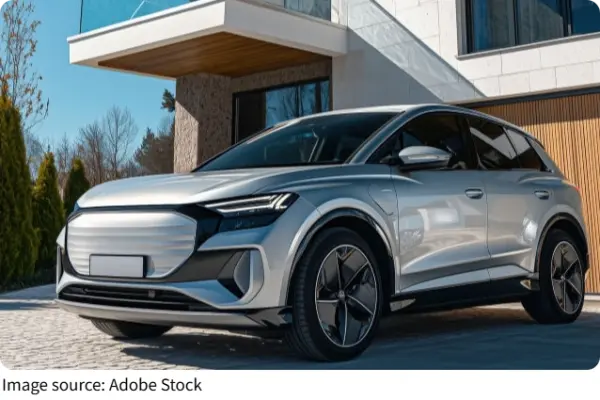
To see where an EV takes in cooling air, look below the grille-shaped panel as well as at it. The opening may be lower in the bumper, even if the upper front looks completely closed.