Mango or Coconut?

Adrian
| 11-11-2026
 · Cate team
Mango and coconut often turn up in the same snacks and drinks. They grow in similar warm climates, but they have quite different nutrition profiles.
The difference isn't just between the fruits themselves. How they're prepared matters, too. A glass of coconut water, a handful of coconut flakes, and a bowl of fresh mango aren't interchangeable.
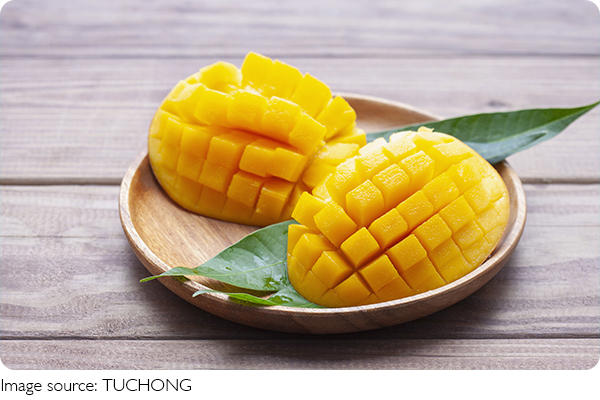
What Mango Provides
One cup of diced mango, roughly 165 grams, contains about 100 calories and 25 grams of carbohydrate, most of it from naturally occurring sugar. That cup also provides 60.1 milligrams of vitamin C. Mango supplies vitamin A, vitamin E, and folate as well.
Portion size makes a difference. The USDA's reference serving for a whole mango, not counting the peel and seed, contains about 200 calories. The amount varies with the size of the fruit, so measure the diced flesh if you want to compare your portion with the cup in the nutrition figures.
Coconut Meat and Water
Coconut meat is the firm white flesh, while coconut water is the liquid inside the fruit. One cup of raw, shredded coconut meat contains about 280 calories and 27 grams of lipids, most of it saturated. That makes the flesh much more calorie-dense than the liquid.
A cup of fresh coconut water contains about 45 calories, very little lipids, and roughly 600 milligrams of potassium. Those figures describe the liquid from the fruit, not every bottled product. If you're buying coconut water by the bottle, check how many servings the label counts as.
Comparing Fiber and Lipids
A cup of diced mango provides about 3 grams of fiber. A cup of raw, shredded coconut meat contains about 7 grams. Coconut meat has more fiber by the cup, but it also contains about 24 grams of saturated lipids in that same measure.
According to Natalie Romito, a registered dietitian at Cleveland Clinic, coconut meat is best eaten in moderation because it has more lipids and calories than most fruits. A small handful makes more sense as a topping than a full cup if you're keeping an eye on saturated lipids.
Choosing a Fresh Snack
Fresh mango suits a sweet snack or a source of carbohydrate after a workout. The pieces contain fiber as well as sugar, which is one reason to reach for diced fruit rather than juice. Unsweetened coconut flakes offer a chewier option when you want less sugar, but they still contain lipids.
How Mango Ripens
A firm, slightly tart mango tastes different from a soft, fragrant one. A ripe mango gives slightly when squeezed gently and may smell fruity near the stem. Skin color isn't a reliable guide because varieties can look different at the same stage of ripeness.
If the mango is still firm when you buy it, leave it at room temperature to ripen. A paper bag speeds that up by trapping the gas the fruit naturally releases. If the mango is already ripe and you don't plan to eat it right away, refrigerate it.
Reading Labels on Dried Fruit
Dried mango can be sold with or without added sugar, and shredded coconut can be sweetened, too. Rather than judging the sugar in a handful by eye, look at the serving size on the package and how much you actually plan to eat.
Total sugars include both the sugar already in the fruit and any sugar added during processing. If you want to know whether a product was sweetened, look at the added sugars line, not just the total. When comparing packages, make sure you're looking at the same serving weight.

For a snack that uses both fruits, dice half a mango into plain yogurt and finish it with a tablespoon of unsweetened coconut flakes. The mango sweetens the yogurt, and the flakes add a little chew.