What Figs Actually Give You

Bianca
| 11-11-2026
 · Cate team
Hello, and welcome. A fig looks like a small luxury, all soft skin and jammy inside.
But remove that away and it's a fairly plain package of water, fiber, and a handful of minerals. That plainness is exactly why it earns a spot in your regular rotation.
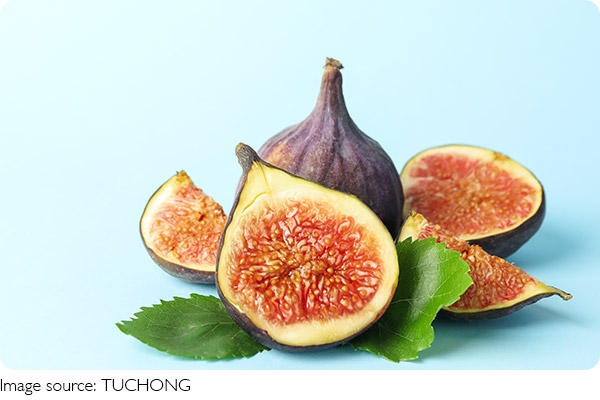
The fiber number is the real headline
A fresh fig carries roughly 1.6 to 2 grams of fiber per 100 grams, and most of it is in the skin and the tiny seeds you crunch through. That matters because soluble fiber is the type commonly linked to steadier digestion and a slower rise in blood sugar after a meal. A serving of three medium figs lands you around 5 grams of fiber, close to a fifth of what most adults aim for in a day. Dried figs push the same weight much higher, around 9 to 10 grams per 100 grams, because the water is gone. That's a useful trade, but you eat fewer of them before the sugar adds up.
Minerals you don't have to think about
One fig gives you a modest but real dose of potassium, calcium, and magnesium. Potassium sits around 230 mg per 100 grams in fresh fruit, and it's the mineral most closely tied to normal blood pressure regulation. Figs also carry a decent amount of calcium for a fruit, roughly 35 mg per 100 grams fresh and far more in dried form. Are they a replacement for dairy or leafy greens? No. But if you're building a plate and want more mineral coverage without another supplement, a couple of figs pull their weight.
Antioxidants in the skin and flesh
Figs contain phenolic compounds, with the highest concentration sitting in the skin. Darker varieties, like the Mission fig, generally show more of these compounds than lighter ones. This is the part of the fig story that gets oversold, so keep it grounded: the antioxidants are there, they're real, and eating the whole fruit with the skin intact is how you get them. Peeling a fig throws away a good share of what you came for.

Fresh versus dried changes the math
Fresh figs are about 80 percent water, which keeps calories low at roughly 74 per 100 grams. Dried figs concentrate everything, jumping to around 250 calories per 100 grams with much more sugar and fiber per bite. Neither is better in an absolute sense. If you're watching portions, weigh dried figs instead of counting them by hand, because four or five small ones can quietly hit 150 calories. Fresh figs are more forgiving to eat freely.
How to actually eat them
Ripe fresh figs are fragile and don't last long, usually three to five days in the fridge. Eat them at room temperature for the fullest flavor, and rinse just before serving since the skin is thin. Toss them into a salad with greens and a sharp cheese, slice them over yogurt, or wrap them in prosciutto-style cured meat if you eat that. Dried figs work well chopped into oatmeal or paired with almonds as a portable snack. One practical tip: buy fresh figs the day you plan to use them. They don't improve with time on the counter.
A small caveat worth knowing
Figs are high in oxalates, a compound that matters if you've had calcium oxalate kidney stones. That doesn't mean you need to avoid them completely, but it's worth mentioning to your doctor if that's your history. For most people, a few figs a day is unremarkable. The bigger risk is eating a whole bag of dried ones in one sitting and calling it a healthy snack.
So here's the takeaway worth keeping: figs are a solid, honest source of fiber and potassium, best eaten whole and fresh with the skin on, and worth weighing when dried. Next time you reach for one, skip the peeling and enjoy it as it is.