Plan Loose, Travel Better

Caroll Alvarado
| 11-11-2026
 · Travel team
Hi, let's get started. Most travel plans get built backward.
You pick a city, list twelve things to see, then squeeze them into five days until the schedule looks like a work calendar. That plan works fine until a train runs late or a museum closes early, and suddenly the whole trip feels broken.
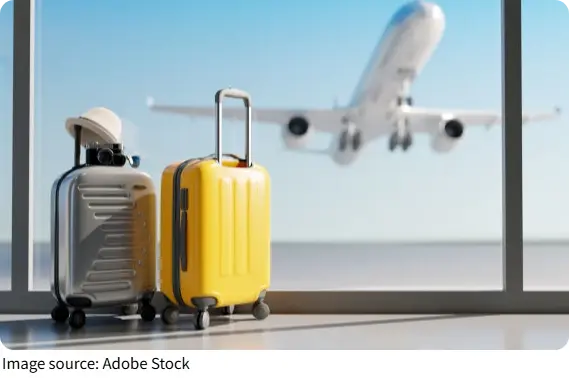
A flexible plan flips the order: you protect a few fixed anchors, leave the rest open, and let the day breathe.
Anchor the plan with two bookings
Book only what truly can't move. For most trips that means your first night's accommodation and any timed entry you'd regret missing. The Vatican Museums in Rome and the Anne Frank House in Amsterdam both sell out weeks ahead and run on strict time schedules, so those go in the calendar. Everything else stays optional. If you're heading to Japan, a reserved seat on the Shinkansen is another good anchor, since popular routes like Tokyo to Kyoto fill up during holiday periods.
Leave real gaps between stops
A packed day usually fails on transit, not on the sights. Give yourself 45 minutes of buffer between two activities in the same city, and half a day when you change towns. In Lisbon, the tram from Baixa to Alfama takes about 20 minutes on a good run, but the queue at the stop alone can eat 30. Build that slack in and a delay stops being a crisis. You just walk to the next thing later.
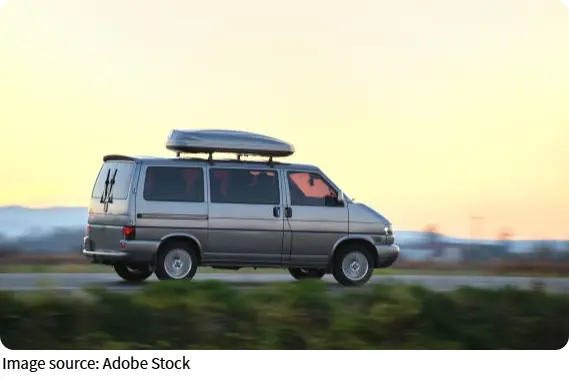
Pick a base, not a checklist
Choose one neighborhood per city and treat it as home. In Kyoto, staying near Kyoto Station puts trains, buses, and the subway within a five-minute walk, so you can change plans without a long commute. From there, decide each morning what you actually feel like doing. Rainy? Swap the mountain hike for the Nishiki Market covered arcade. Sunny and restless? Take the 20-minute train to Fushimi Inari and walk the lower gates before the crowds build.
Book refundable and stay mobile
Flexibility has a price, and it's usually small. A refundable hotel rate often costs 10 to 15 percent more than a locked-in one, and budget airlines charge a change fee that can run $50 to $100 per person. Pay it on the pieces you might move. Skip it on the pieces you won't. Trains in Europe are a good example: a standard ticket on a regional line rarely needs booking ahead, while a high-speed TGV or Frecciarossa seat is cheaper booked early and worth the small flexibility trade.
Keep a short list, not a schedule
Write down six things you'd like to do in each place, then rank them. Three are musts, three are nice-to-haves. That's it. This leaves room for the tips you get from a local, the market that turns out better than expected, or the afternoon you decide to do nothing at all. A loose plan isn't a lazy plan. It's a plan that expects surprises and stays standing when they arrive.
So build your next trip around a couple of fixed points, generous buffers, and a short ranked list, then let the days fill in around them. You'll come home with the things you cared about, plus a few you couldn't have planned.