Sweet and Tart Cherries

Finnegan Flynn
| 12-11-2026
 · Cate team
Fresh cherries are a familiar summer snack, but the produce aisle isn't the only place to find them. Frozen and dried cherries are available beyond the fresh season, and the best choice depends on whether they're for snacking or cooking.
The differences go beyond taste. What comes in a cup of fresh cherries is easier to estimate than what comes in a handful from a bag, especially when the fruit has been dried or sweetened.

What a cup contains
One cup of raw, pitted sweet cherries weighs 154 grams and provides 97 calories, 10.8 milligrams of vitamin C, 341 milligrams of potassium, and 3.2 grams of fiber. That same cup contains about 20 grams of naturally occurring sugar. The figures are for the fruit alone, without the pits or stems.
According to Carly Sedlacek, a registered dietitian, cherries contain carbohydrates, so portion size still matters for people managing blood sugar. If you're tracking what you eat, measure the cherries after removing the pits. If you're using a kitchen scale, weigh only the part you'll eat.
Why the color matters
Anthocyanins are plant pigments that give red and purple cherries their color. Researchers study these compounds in relation to inflammation, but that doesn't mean a serving of cherries will treat it. The fruit's skin is one place to find the pigments, so there's no need to peel fresh cherries.
Color alone won't tell you whether a cherry is sweet or tart. Bing is a dark red sweet cherry, while Montmorency is a bright red tart cherry. Sweet cherries can also be yellow, so a pale cherry isn't necessarily unripe.
Fresh, frozen, and dried
Sweet cherries are usually eaten fresh, though they can also be cooked. Tart cherries are often used in baking and are commonly sold frozen, dried, or as juice. Plain frozen cherries work in oatmeal or yogurt when fresh ones aren't in season. Check the package to see whether they've already been pitted.
Unsweetened dried tart cherries still contain fiber, but drying removes water and concentrates the fruit's natural sugar by weight. Some dried cherries also contain added sugar. When comparing packages, look at the serving size alongside the total sugars and added sugars. A smaller listed serving can make a product look lower in sugar.
For baking, start with the form the recipe calls for. Dried cherries are chewy and take up less space than fresh ones, while frozen cherries can release juice as they thaw. A handful of dried fruit won't behave the same way as a handful of thawed cherries in a batter.
When potassium matters
Raw tart cherries contain less potassium than raw sweet cherries when compared at the same weight. If you've been told to limit potassium because of kidney disease, ask your doctor or kidney dietitian which type and portion fit your plan. The comparison for fresh fruit doesn't automatically apply to dried cherries.
Buying and storing fresh cherries
Choose firm cherries with shiny skins and green stems. Store them in a shallow container in the refrigerator so the fruit at the bottom is less likely to bruise. If you've bought more than you can use in the next few days, both sweet and tart cherries can be frozen.
Leave the cherries unwashed in the refrigerator until you need them. If you're preparing fruit for cooking, remove the pits before the cherries go into the dish. That matters especially in a pie or a sauce, where a stray pit is harder to spot.
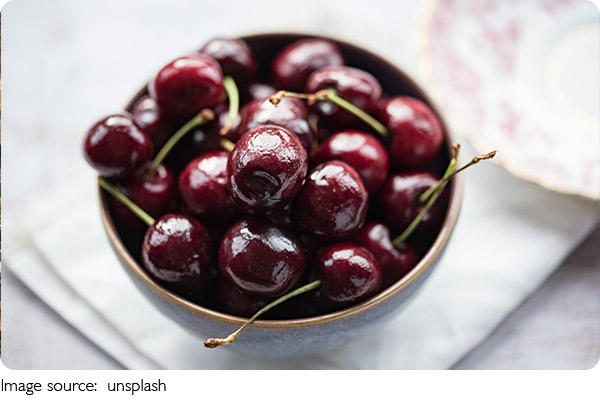
For a fresh snack, rinse just the cherries you plan to eat under cool running water and leave the rest dry in the refrigerator.