Lake Natron: A Red Salt Lake

Maya
| 13-11-2026
 · Travel team
Hi, and welcome. Lake Natron looks like a place that shouldn't exist.
The water reads pink to deep red depending on the light, a crust of salt rings the shore, and the temperature can push past 40°C by midday. It's shallow, warm, and alkaline enough that you don't swim in it. But people still make the long, rough drive north from Arusha to see it, mostly because of what lives there.
Why the water turns red
Lake Natron sits in a closed basin in northern Tanzania, near the Kenyan border, with no outlet to the sea. Water only leaves by evaporation, so salts and minerals concentrate over time. The lake is highly alkaline, with a pH that has been measured around 10.5 in places. That chemistry feeds a cyanobacteria called Arthrospira fusiformis, and the red pigments in those microbes are what give the water its color. When the lake is low and the bacteria bloom, the effect is strongest. Volcanic ash from nearby Ol Doinyo Lengai adds to the mineral load too.
The flamingos that depend on it
The lake's real fame is the lesser flamingo. These birds feed almost entirely on that same cyanobacteria, and Lake Natron hosts one of the largest breeding colonies of lesser flamingos anywhere, with counts running into the hundreds of thousands in good years. They nest on the salt flats, building mud cones on the crust where the caustic water keeps predators away. It's a fragile setup. A change in water level or a disturbance at a nesting site can wipe out an entire breeding season.

Getting there and what it costs
Most trips start in Arusha, and the drive to the lake takes roughly four to five hours over rough roads, the last stretch on gravel that gets slow in the wet season. A 4x4 with a driver is the practical choice. Budget around $150 to $250 per person per day for a guided trip covering transport, a guide, and basic lodging. Park and conservancy fees add on top, and you'll want to confirm what's included before you book. Some operators run two-day trips; three days gives you room for the lake plus a hike.
What to actually do there
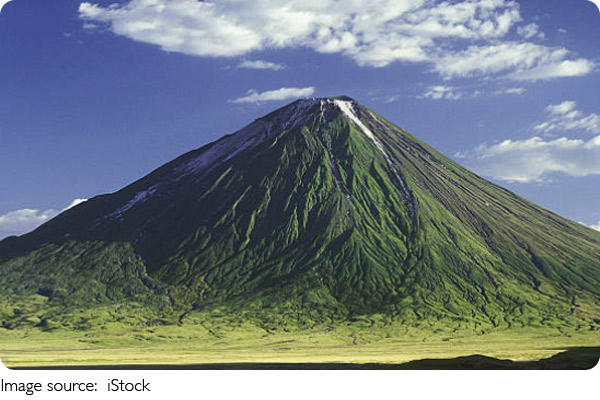
The lake itself is viewed, not entered. Walk the shoreline with a guide to see the salt crust and the birdlife, and keep your distance from nesting areas. Many visitors pair the lake with a hike up Ol Doinyo Lengai, the active volcano that looms over the water, though that climb is steep and needs a local guide plus a pre-dawn start. Waterfalls like Ngare Sero, a short walk from some of the lodges, are a common add-on. Bring binoculars. The flamingo viewing is the main event.
Timing and the heat
The dry season, roughly June through October, gives you firmer roads and better access. The wet season brings mud and can make tracks impassable. Heat is the other factor: plan walks for early morning or late afternoon and carry more water than you think you need. Nights at the lodges can be surprisingly cool, so pack a layer. If you're chasing the deepest red water, ask your operator about current lake levels, since the color shifts with the season and the bloom.
The thing worth remembering about Lake Natron is that it's not a place you go to swim or lounge. You go to watch a harsh, strange ecosystem do its thing, and to see the flamingos that rely on it. If you're planning the trip, build in an extra day for the drive and ask your guide what the lake looks like right now. Conditions change, and the people who know will tell you straight.