Great Sand Dunes Guide
Caleb Ryan
| 13-11-2026
 · Travel team
Hello, and welcome. You probably expect a national park trip to mean trails, trees, and a clear path from parking lot to viewpoint.
Great Sand Dunes flips that. There's no trail to the top of Star Dune, no shade on the sand at midday, and the thing you came to see shifts a few feet every year.
Why the dunes exist here
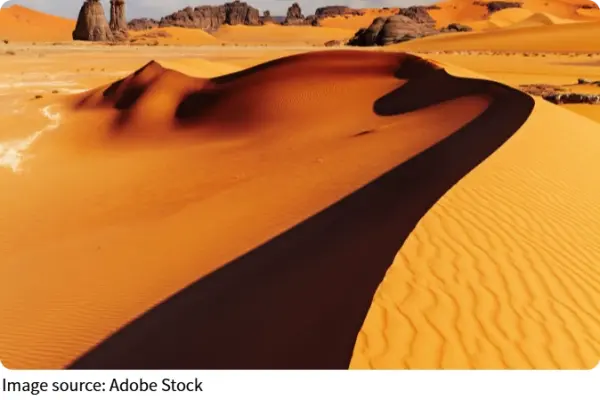
The sand didn't drift in from a desert. It came from the Rio Grande and the San Luis Valley floor, carried by wind over thousands of years and trapped against the Sangre de Cristo Mountains. That's why the dunefield sits right at the base of a mountain range, which is the detail that surprises most first-timers. Star Dune tops out around 750 feet and is often cited as the tallest dune in North America. You can see the whole field from the main parking area at the end of the entrance road off Colorado Highway 150.
Great Sand Dunes National Park and Preserve
What to actually do there
Medano Creek is the highlight for a lot of visitors, and its timing matters. The creek runs strongest in late spring, usually around May into early June, when snowmelt from the mountains pushes water across the sand. Kids float down it on inflatable tubes. By July it's often just a damp channel. Beyond the creek, sandboarding and sledding down the lower dunes near the main lot is the other draw. Bring your own board or rent one in the town of Alamosa, about 35 minutes away.
Plan around the heat and the light
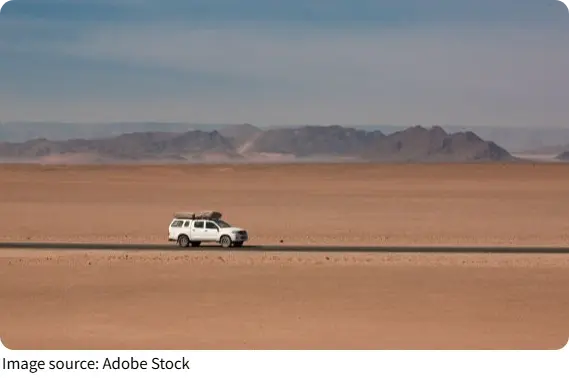
Sand surface temperatures can climb well past 140°F on a summer afternoon, hot enough to hurt bare feet. Go early morning or late afternoon. The flip side: those same hours give you the long shadows and cooler sand that make the dunes worth photographing. Sunset from the top of the first ridge is a short, steep climb of maybe 20 minutes from the main lot, and it's the version of the park most people remember.
Costs, camping, and getting in
Park entry runs $25 per vehicle for a 7-day pass. Piñon Flats Campground is a convenient option if you want to reach the dunes early for sunrise. Summer weekends can be busy, so reserve your campsite well in advance. Check the campground's current water availability before arrival, and bring enough drinking water for your visit. Alamosa is a convenient base for a day trip to the park, while the drive from Denver takes approximately four hours, depending on traffic and road conditions. Cell service can be limited in and around the park, so download offline maps and directions before setting out.
Before you go
Wear closed shoes for the climb and carry more water than feels reasonable, at least a liter per person for a short dune hike. Sunglasses and a hat aren't optional in full sun. Check the park's creek flow report if Medano Creek is the reason for your trip, since the peak window is narrow and varies year to year.
The whole appeal of this place is that it doesn't behave like a normal park. You're not walking a marked loop; you're reading wind and water and timing. Go early, carry water, and let the sand set the pace.