Plum Nutrition and Uses

Yuna
| 13-11-2026
 · Cate team
Plums sit next to the peaches in the fruit aisle, and most of us grab them for the taste and move on. Depending on the variety, a ripe plum can be sweet, tart, or a little of both.
Fresh plums are easy to eat on their own or add to a meal. Drying changes what you get in a serving, so it helps to know how fresh plums and prunes differ before using them interchangeably.
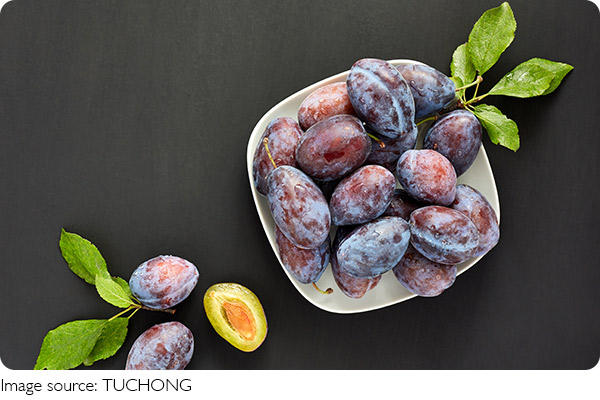
What's in a Fresh Plum
A medium fresh plum weighs about 66 grams and provides about 30 calories and 1 gram of fiber. It also contains small amounts of vitamins C and K. Those figures describe a typical fruit, not every plum in the produce aisle, so the amount you get depends in part on its size.
Fiber in Fresh Plums and Prunes
Prunes are dried plums. Drying removes much of the water, so prunes contain more fiber and more natural sugar than fresh plums of the same weight. A portion of dried fruit can look much smaller on the plate even when it weighs the same as a portion of fresh fruit.
According to William D. Chey, a professor of medicine at the University of Michigan, studies in adults suggest that prunes can make bowel movements more frequent and stools softer. Along with fiber, prunes contain sorbitol, a naturally occurring compound that draws water into the bowel. If you're new to prunes, start with a small portion.
Vitamin C and Iron Absorption
A medium plum provides about 6.3 milligrams of vitamin C. That's a modest amount, but vitamin C helps your body absorb iron from plant foods when you eat them together. Toss a sliced plum into a bowl of spinach and lentils for a sweet-tart contrast to the greens and lentils.
Pigments in the Skin
The deep red and purple color of some plum skins comes from anthocyanins. These natural pigments act as antioxidants and also give blueberries and red cabbage their color. Leave the skin on if you enjoy the slightly chewy texture it adds to the soft flesh, and rinse the fruit under running water before eating.
Vitamin K and Warfarin
A medium plum provides about 4 micrograms of vitamin K, which supports normal blood clotting and intestinal health. Plums contribute only a small amount; leafy greens such as spinach and kale are much richer sources.
If you take warfarin, keep your overall vitamin K intake steady. The advice is about consistency, not avoiding foods that contain the vitamin. Check with the clinician who manages your medication before making a major change in how much vitamin K you eat, since sudden shifts can affect how warfarin works.
Choosing and Storing Plums
A ripe plum gives a little when you press it gently. Look for fruit without cuts or damaged patches. Color alone isn't a reliable guide to ripeness: varieties such as Mirabelle have yellow-green skin, while Santa Rosa plums have red to purple skin.
Leave firm plums on the counter to ripen, then move them to the refrigerator if you're not eating them right away. For longer storage, remove the pits, cut the fruit into pieces, and freeze them in a single layer on a baking sheet before transferring them to a freezer bag.
Serving Plums Fresh or Roasted
Slice ripe plums over plain yogurt, or add them to a fruit salad with peaches and apricots. To serve them warm, halve and pit the fruit, drizzle it lightly with honey, and roast until the flesh is tender. Roasting softens the flesh and concentrates the flavor.

For a savory side, slice a ripe plum just before serving and toss it with crumbled feta and toasted seeds. The feta adds saltiness, and the seeds give the salad some crunch.