Qingdao: Sea, Bricks & Views

Elise
| 13-11-2026
 · Travel team
Hi there. Qingdao shows up in most travel photos as a beach town with red roofs and blue water, and that's real.
But the city you actually walk through is stranger and more layered than the postcard. German overseas buildings sit a few blocks from fishing harbors, a local food market anchors one neighborhood, and the whole place tilts toward the sea. Give it two or three days and you'll see why locals treat it as a summer escape rather than a stopover.
Qingdao
Why the old town rewards walking
The central draw is the old German concession area, and you don't need a plan to enjoy it. Start around Zhanqiao Pier, the long stone jetty that ends at a small octagonal pavilion, then wander uphill through streets lined with red-roofed villas. The standout is the former Governor's Residence on Longshan Road, a yellow-walled building you can tour for around 20 yuan (roughly $3). St. Michael's Cathedral nearby charges a small entry fee too. The streets between them are steep and narrow, so wear shoes you can climb in.
The beach is not the whole coast
Number One Bathing Beach gets the crowds, and it's fine for a swim. But the better move is to keep going east. Shilaoren Beach is wider and less packed, and the coastal path around it gives you rock pools and views back toward the city. If you want something quieter, head to the smaller coves near Badaguan, the neighborhood of garden villas where eight roads are named after famous passes. The area is free to walk and takes about an hour at an easy pace.
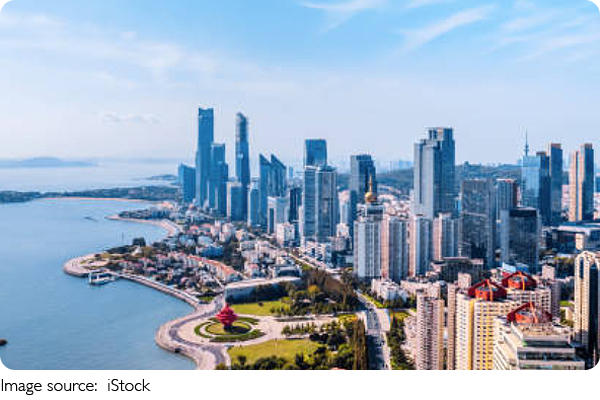
Getting around without a car
The metro is your best tool. Line 3 connects the railway station to the old town and the beach districts, and a single ride costs 2 to 5 yuan, so under a dollar. From Qingdao North Station, Line 3 also drops you near the local history museum. Taxis are cheap but traffic near Zhanqiao backs up badly on summer weekends. Do what locals do and take the metro during the day, then walk in the evening when the heat drops.
Timing your trip matters
Summer is the busy season, and it shows. July and August bring hotel rates up to roughly 600 to 900 yuan ($85 to $125) a night for a mid-range room near the beach, and the sand gets crowded by mid-morning. Late spring and early autumn are the sweet spot: mild air, fewer people, and rooms closer to 300 to 500 yuan ($40 to $70). Book at least two weeks ahead if you're coming in summer, because the seafront hotels fill fast.
One practical habit to adopt
Carry cash for small vendors and set aside a full afternoon for the coastal walk between Badaguan and Shilaoren. The path is about 5 kilometers and there are few places to buy water along the rocky sections, so bring your own. Also check the tide tables posted at beach entrances, since the water pulls back a long way and the rocks get slippery. That single habit saves a lot of scrambling.
Where to Eat
Qingdao has a strong seafood and street food scene, with plenty of options near the old town and the beach districts. A simple vegetarian or chicken meal at a local eatery costs around 20–40 yuan, while a mid-range restaurant serving local specialties like seafood noodles or vegetarian dumplings runs about 60–100 yuan per person. For a quick snack, street vendors near Zhanqiao Pier sell steamed buns and fruit for roughly 10–20 yuan. For self-catering, local supermarkets stock bread, fruit, and supplies for a day out.
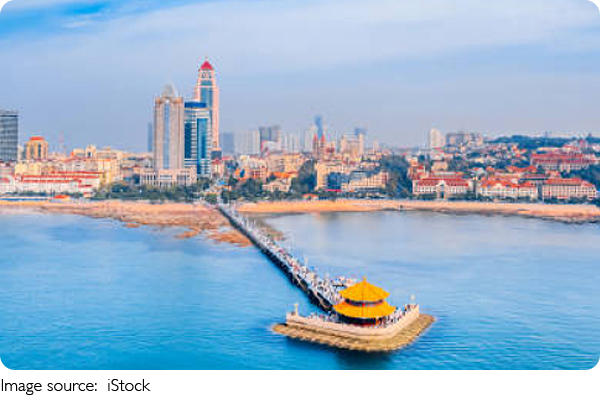
Qingdao works best when you treat it as a walking city with a beach attached, not the other way around. Build your days around the old town and the coast path, keep the metro card handy, and leave room for an unplanned climb up a side street. You'll find the version of the city that the photos miss.