Namibia’s Wild Parks

Daniel
| 13-11-2026
 · Travel team
Namibia is a destination where the landscape often becomes the main attraction. Vast stretches of desert, unusual rock formations, deep canyons and remote coastal scenery give the country a distinctive character.
Its national parks protect some of the most memorable places to experience this natural variety. Whether you prefer a self-drive journey, a few days of hiking or a quiet stay surrounded by open scenery, each park offers a different reason to visit.
Etosha National Park: Vast Open Landscapes
Etosha is one of Namibia’s best-known national parks. Its most striking feature is the Etosha Pan, an enormous salt basin covering roughly a quarter of the park. During dry periods, the pale surface creates a wide, almost endless horizon. After seasonal rainfall, parts of the basin can hold shallow water, changing the appearance of the landscape.
The park is well suited to visitors who prefer to explore independently. A network of roads connects several rest camps, making it possible to plan a route with regular stops. Visitors can also join guided excursions arranged through the camps. Spending at least two days allows more time to travel between different sections without rushing. The entrance fee for international visitors is approximately €14.
Namib-Naukluft National Park
Namib-Naukluft: The Great Sand Dunes
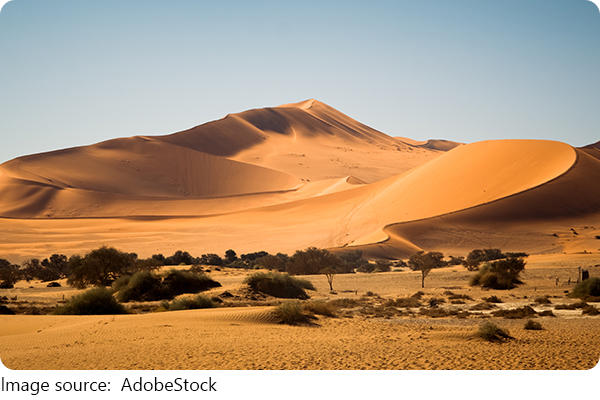
Namib-Naukluft National Park protects a vast area of the Namib Desert and is an essential stop for anyone interested in desert scenery. Its most famous area is Sossusvlei, where enormous orange dunes rise above pale salt and clay flats. Nearby Deadvlei is particularly memorable for its bright ground, surrounding dunes and ancient trees that remain standing in the dry landscape.
Climbing a dune is one of the main activities here. Dune 45 is a popular option, while Big Daddy offers a more demanding climb and expansive views. The international entrance fee is approximately €14 per person, with a separate vehicle fee of around €3 per day for a standard vehicle.
Skeleton Coast: Remote Atlantic Scenery
The Skeleton Coast National Park offers a dramatic contrast to Namibia’s inland deserts. Along this remote section of the Atlantic shoreline, broad sandy areas meet rocky formations and rugged coastal scenery. Morning fog is a familiar feature, giving the landscape a different appearance from the bright, dry interior.
The entrance fee for international visitors is approximately €14 per person per day, with a standard vehicle fee of around €3. Confirm access conditions and permit requirements before traveling, especially when planning to visit more remote sections.
Fish River Canyon: A Landscape on a Grand Scale
Located in southern Namibia, Fish River Canyon is one of the country's most impressive natural landmarks. Its enormous rocky walls and winding valley create a striking view from the main viewpoints near Hobas. Visitors who do not want a demanding trek can enjoy the scenery from designated viewing areas and take short walks nearby.
For experienced hikers, the Fish River Canyon Trail offers a much more challenging experience. The entrance fee for international visitors is approximately €14 per person per day.
Bwabwata National Park: Rivers and Green Spaces
In northeastern Namibia, Bwabwata National Park presents a greener side of the country. Instead of the dry open spaces associated with the Namib Desert, this region features woodland, broad river channels and seasonal changes in water levels. The landscape is especially appealing to travelers who enjoy peaceful drives and time beside the water.
The park is spread across a large area, so a suitable vehicle and careful route planning are important. Some sections are easier to reach with local guidance or an organized excursion. The international entrance fee is approximately €10 per person.
Namibia’s national parks offer several distinct ways to experience the country. Allowing enough time between destinations will make the journey more comfortable and enjoyable.