Amazon Cacao Growth!

Bianca
| 13-11-2026
 · Plants team
Cacao production is growing in Brazil's Amazon region, but new mapping suggests that much of this expansion is taking place on land cleared long before the latest plantations appeared.
The findings offer an interesting example of how agricultural production can make use of existing farmland rather than relying entirely on new forest areas. However, the research also reveals a shift in farming methods that could influence the long-term environmental impact of the industry.
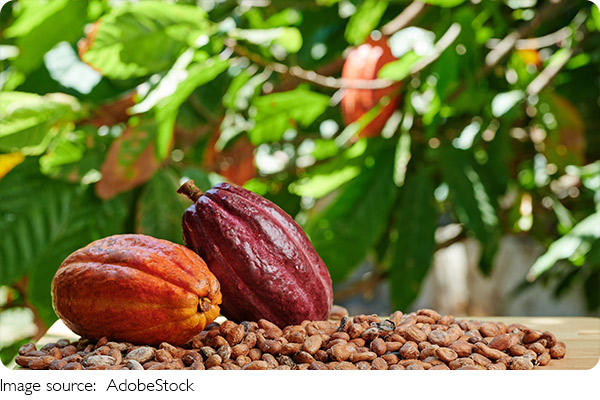
A Growing Cacao Industry
Research led by Brazil's agricultural research agency, Embrapa, examined cacao-growing areas in Pará and Rondônia. Pará is the country's leading cacao-producing state, and the mapped area there increased by approximately 33% between 2022 and 2024. By 2024, cacao covered 116,436 hectares in Pará, compared with 87,309 hectares in 2022. The wider mapping exercise identified approximately 121,000 hectares of cacao across both states.
One of the most important findings concerned the history of the land used for cultivation. Around 96% of the mapped cacao area in Pará and 98% in Rondônia was located on land cleared before 2020. This suggests that farmers have largely expanded production on previously cleared areas, including former pastureland, rather than establishing plantations on recently cleared forest.
How Satellite Mapping Helped
Identifying cacao farms across the Amazon is not straightforward. Some plantations are difficult to distinguish from surrounding vegetation, particularly when cacao trees grow beneath taller trees in mixed farming systems. Adriano Venturieri, a remote-sensing specialist at Embrapa Amazônia Oriental, led the mapping work. His team combined satellite imagery with field observations to improve the identification of cacao-growing areas.
Researchers also worked with local agricultural technicians and farmers to confirm locations that were difficult to classify from images alone. As the project developed, the team incorporated additional satellite information and digital mapping tools. The earlier mapping, which covered the period from 2004 to 2020, identified nearly 70,000 hectares of cacao in Pará. Much of the crop had replaced pastureland, and almost 89% of the mapped area was on land cleared before 2008.
Agroforestry Offers a Different Approach
One important distinction in the research concerns how cacao is cultivated. Traditional agroforestry systems combine cacao trees with other crops and taller vegetation. Depending on the farm, these systems may include açaí, bananas, Brazil nuts, and other useful plants. Growing several species together can provide farmers with different sources of income while maintaining shade and vegetation cover. Diverse planting arrangements can also support soil conditions and reduce dependence on a single crop.
However, the latest mapping identified a growing number of farms using full-sun monoculture. This method involves cultivating cacao without the shade of surrounding trees. Of the approximately 29,100 hectares of new cacao planted in Pará between 2022 and 2024, around 63% was classified as full-sun monoculture, while 37% used agroforestry.
Full-sun cultivation can produce more cacao beans per tree, but it also comes with disadvantages. Crops may face greater exposure to pests and diseases, while farmers become more dependent on a single product.
Why Previously Cleared Land Matters
Using existing farmland can provide an opportunity to increase agricultural production without placing additional pressure on forest areas. Pará contains extensive areas of pasture and land that could potentially support more productive uses. The mapping therefore provides useful information about where cacao is currently grown and how its growing areas have developed. It also helps businesses and researchers understand the origins of agricultural products.
However, the findings need to be interpreted carefully. Showing that cacao grows on previously cleared land does not automatically prove that its expansion prevented deforestation. Long-term monitoring is still needed to understand how new plantations affect surrounding forests and land use.
Supporting Farmers Through Better Production
Most cacao properties in Pará are relatively small, with 84.6% covering five hectares or less. This makes practical support important when encouraging farmers to adopt more sustainable cultivation methods. Improving existing farms through soil management, pruning, and better growing practices could help increase production without requiring additional land. Agroforestry may also offer opportunities to diversify farm income.
The Inova Cacau 2030 plan sets goals for expanding production, improving sustainable cultivation, and increasing traceability. Its broader ambition is to strengthen Brazil's position as a recognised source of sustainably produced cacao.
The new mapping highlights the potential for cacao production to grow on land that has already been cleared. At the same time, the increasing use of full-sun monoculture shows that expansion does not automatically mean every farming method delivers the same environmental benefits.
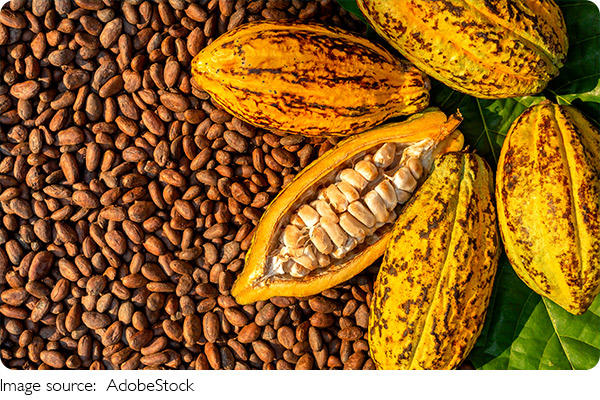
Combining accurate land mapping, improved farm management, and more diverse cultivation systems could help make future growth more responsible. Continued research will be important for understanding whether Brazil can increase cacao production while maintaining the natural value of the Amazon landscape.