Iceland’s Wild Parks

Margot
| 14-11-2026
 · Travel team
Iceland’s national parks bring together some of the island’s most striking landscapes. Visitors can walk across ancient lava fields, follow trails between dramatic rock formations, explore underground caves, and admire enormous glaciers.
Each of the country’s three national parks offers a different experience, making them worthwhile stops on a road trip. Planning ahead is important, however, as distances can be considerable and some activities require guides or suitable weather conditions.
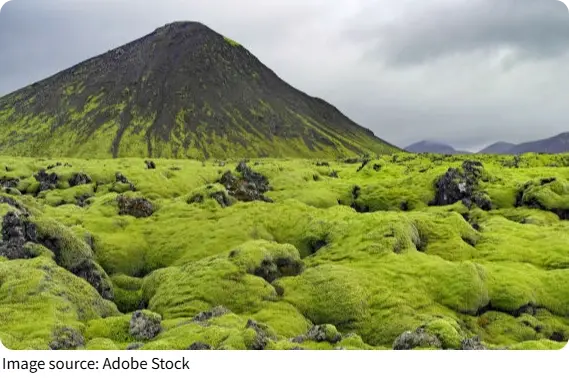
Snæfellsjökull National Park: Coastal Scenery and Lava Caves
Located on the Snæfellsnes Peninsula in western Iceland, Snæfellsjökull National Park combines a glacier-covered volcano, rugged coastline, moss-covered lava fields, and striking mountain views. Its varied terrain makes it a rewarding destination for visitors who enjoy walking and geological landscapes.
One of the park’s notable attractions is the Vatnshellir Cave, an underground lava tube formed by volcanic activity thousands of years ago. Visitors can enter as part of a guided tour, which provides an opportunity to understand how flowing lava shaped the landscape. Tour availability is seasonal, so checking schedules before travelling is recommended.
Coastal paths offer another way to appreciate the area. The route between Arnarstapi and Hellnar is a popular walking option, passing unusual rock formations and open sea views. Visitors should wear suitable footwear and remain on marked paths, particularly near cliffs.
The park does not charge a traditional entrance ticket, but a service fee is collected through parking. The fee for a passenger car carrying up to five people is approximately €7–€8. The payment covers the service fee throughout the park until midnight that day.
Iceland
Þingvellir National Park: A Landscape of Rock Formations
Þingvellir National Park is one of Iceland’s best-known natural destinations and an important stop on the Golden Circle route. Its landscape is shaped by the movement of tectonic plates, creating visible geological features across the area. A highlight for walkers is Almannagjá, a dramatic rift valley bordered by steep rock walls. Visitors can follow established paths through the landscape and enjoy views of the surrounding terrain.
Öxarárfoss waterfall is another popular stop, where water flows over dark rock formations into a scenic setting. For a different experience, the Silfra fissure offers guided snorkelling and diving in exceptionally clear water between tectonic rock formations.
Þingvellir is approximately 50 km from Reykjavík, making it suitable for a day trip. There is no conventional entrance ticket, but parking carries a service fee. A passenger car with up to five seats costs approximately €7.
Vatnajökull National Park: Glaciers and Vast Landscapes
Vatnajökull National Park is the largest of Iceland’s three national parks and covers an extensive area of glaciers, mountains, canyons, and volcanic terrain. Its scale means that visitors should plan around a particular section rather than expect to experience the entire park in one visit.
One of its best-known locations is Jökulsárlón Glacier Lagoon, where large pieces of ice drift across the water after breaking away from a nearby glacier. Across the road, Diamond Beach offers a contrasting coastal scene, with ice fragments resting on dark sand.
The park is several hours by car from Reykjavík, so an overnight stay nearby can make the visit more comfortable. Parking and regional service fees apply at certain locations, including Skaftafell and Jökulsárlón. The listed passenger-car charge is €8.
Planning a National Park Road Trip
The three parks are spread across different parts of Iceland, so visiting all of them requires careful route planning. Snæfellsjökull works well as part of a journey around the western peninsula, while Þingvellir can be included in a Golden Circle itinerary. Vatnajökull is better suited to a longer drive along the southern and southeastern coast.
A rental car gives visitors flexibility, but road and weather conditions should always be checked before departure. Some routes near glaciers and mountain areas are seasonal or restricted to suitable vehicles. Guided tours are a practical alternative for activities that require specialist knowledge.
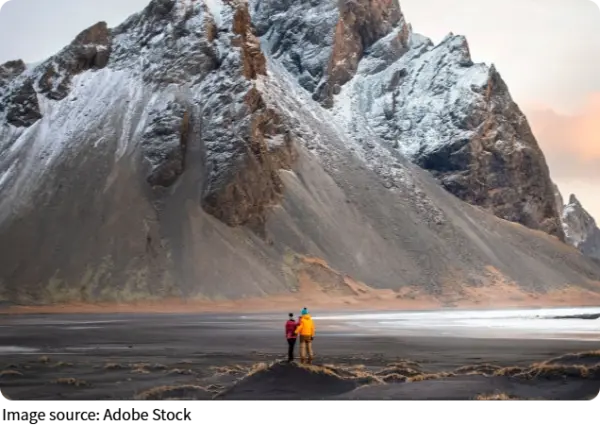
Iceland’s three national parks offer distinct ways to experience the country's geology and scenery. Choosing the right areas, checking current fees, and allowing enough time for travel will help make a national park visit both enjoyable and well organised.