Malawi Park Adventures!

Antonio
| 14-11-2026
 · Travel team
Malawi is known for its large freshwater lake, green highlands, open plateaus, and varied natural scenery. Beyond its well-known lakeside destinations, the country has several national parks that offer a different kind of travel experience.
Visitors can walk through mountain landscapes, enjoy peaceful woodland settings, explore river surroundings, and spend time outdoors away from busy towns. Each park has its own atmosphere, making it worth considering when planning a journey through the country.
Nyika National Park: Open Highland Scenery
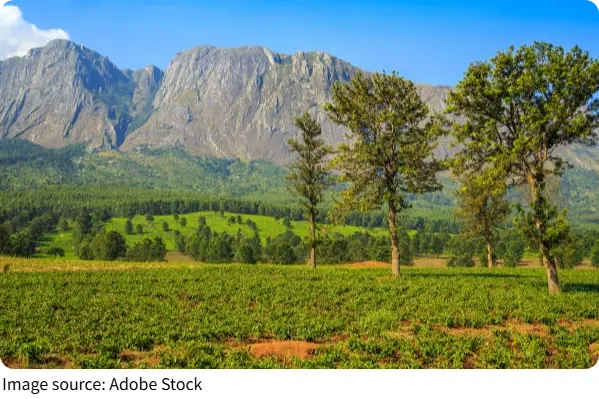
Located in northern Malawi, Nyika National Park is the country's largest national park, covering approximately 3,200 square kilometres. Much of the protected area lies across the Nyika Plateau, where rolling hills, open grasslands, and seasonal wildflowers create a landscape that feels different from the warmer lowlands.
The plateau rises above 2,000 metres in many places, bringing cooler temperatures and wide views across the countryside. Visitors can enjoy scenic drives, walking routes, and photography opportunities. The changing appearance of the grasslands throughout the year also makes the park interesting for nature enthusiasts. International visitor admission is estimated at around €9 per person, based on an approximate conversion of the published US$10 daily rate.
Malawi
Lake Malawi National Park: Water and Rocky Islands
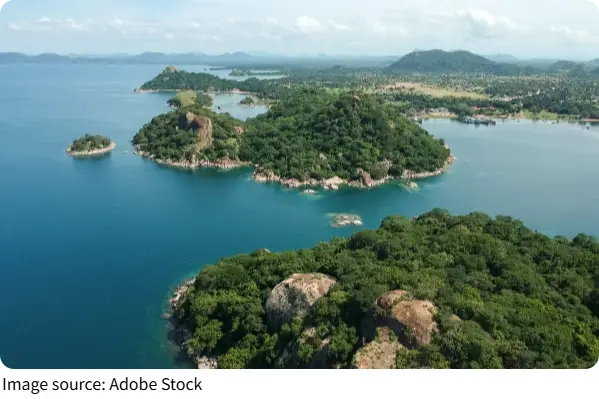
Lake Malawi National Park protects part of the southern end of Lake Malawi, particularly the area around Cape Maclear. The landscape combines clear freshwater, rocky islands, sheltered bays, and sandy lakeside areas. The park is a popular destination for visitors interested in water-based activities. Snorkelling, diving, kayaking, and boat excursions are available in the wider lake area. Those who prefer to remain on land can enjoy coastal walks and viewpoints overlooking the water.
Liwonde National Park: River Landscapes
Situated in southern Malawi, Liwonde National Park is shaped by the Shire River and its surrounding floodplains and woodland. The river gives the park a distinctive atmosphere, with changing water levels influencing the appearance of the landscape throughout the year.
Boat excursions provide a different way to experience the river surroundings, while guided drives and walking activities offer opportunities to appreciate the wider park environment. The landscape includes open areas, riverbanks, and sections of woodland. The published international visitor entry fee is approximately €26 per person per night, based on the park's US$30 rate.
Vehicle entry is around €4 per day. A two-hour boat trip or guided walk costs approximately €22 per person, while a three-hour excursion is around €30. Confirm the charging period and current rates when arranging accommodation.
Kasungu National Park: A Quiet Woodland Escape
Kasungu National Park lies in central Malawi, close to the Zambian border. Its landscape is characterised by extensive woodland, open grassland, scattered hills, and seasonal water sources. Compared with some of the country's better-known visitor destinations, it receives fewer visitors, making it appealing to travellers seeking a quieter setting.
The park's broad terrain provides opportunities for scenic drives and guided outdoor activities. Visitors can also enjoy viewpoints across the surrounding countryside.
Lengwe National Park: Dry Woodland and Open Terrain
Located in southern Malawi, Lengwe National Park offers a landscape that contrasts with the cooler highlands of Nyika and the lakeside scenery around Cape Maclear. Its environment includes dry woodland, open areas, and distinctive baobab trees. The park is a suitable addition for travellers exploring the southern part of the country, particularly those who want to experience a different natural setting. Its location also makes it possible to include in a wider regional itinerary.
Temperatures can become high, especially during the dry months. Early morning visits are generally more comfortable for outdoor activities than the hottest part of the afternoon.
Planning a Visit to Malawi’s Parks
The dry season, generally from May to October, is often a practical period for travelling between parks because many routes are easier to manage. The rainy season brings greener scenery, but some unpaved roads may become challenging. Distances between destinations can be considerable, so avoid placing too many parks into a short itinerary.
From the sweeping highlands of Nyika to the peaceful shores of Lake Malawi, the country’s national parks offer unforgettable scenery, rewarding outdoor experiences, and plenty of reasons to make Malawi your next nature getaway.