Walking Wild Zambia!

Declan Kennedy
| 14-11-2026
 · Travel team
A walking safari in Zambia offers a different way to experience the natural world. Instead of spending the entire visit inside a vehicle, travellers move through the landscape on foot, accompanied by experienced guides and park rangers.
In South Luangwa National Park, this approach allows visitors to appreciate details that are easy to overlook from a distance, including tracks in the soil, unusual plants, changing vegetation, and the sounds of the surrounding environment. It is a slower, more attentive way to experience one of Zambia’s best-known natural destinations.

South Luangwa: The Home of Walking Safaris
South Luangwa National Park lies in eastern Zambia, covering approximately 9,050 square kilometres along the Luangwa River. Its landscape includes open grasslands, woodland, riverbanks, lagoons, and areas of dense vegetation. The variety of environments makes it an interesting destination for visitors who enjoy nature and outdoor activities.
The park is closely associated with the development of modern walking safaris during the 1950s. The approach encourages visitors to experience the surroundings at ground level rather than concentrating only on distant views. Today, guided walks remain an important part of the area's visitor experience. The dry season, generally from May to November, is the main period for walking safaris.
Zambia
What Makes Walking Different?
Walking through South Luangwa changes the pace of a visit. Without the distance and noise of a vehicle, visitors can pay closer attention to the landscape. A guide might explain how different tracks appear in sandy soil, identify plants, or describe how seasonal changes affect the surrounding vegetation.
The experience is not simply about reaching a particular viewpoint. It is also about understanding the smaller details along the route. Visitors may notice unusual tree shapes, natural pathways, fallen leaves, or changes in the ground that reveal how the environment develops over time.
Routes Along the Luangwa River
The Luangwa River is one of the defining features of the park. Its changing channels, sandy banks, and nearby vegetation create varied scenery for outdoor exploration. Some walking routes follow the river, while others pass through woodland and open grassland. One memorable option described in National Geographic's report connects two bush camps over a distance of approximately five miles, or eight kilometres. The journey takes several hours, allowing time to appreciate the landscape along the way.
Sleeping Under the Open Sky
Some safari camps offer overnight experiences that bring visitors closer to the natural surroundings. A simple outdoor sleep-out may include a mattress, mosquito net, and a designated sleeping area prepared by the camp team. Evenings in the bush provide a different atmosphere from daytime walks. As daylight fades, the sky becomes a major part of the experience, particularly when conditions allow clear views of the stars.
Local Communities and Conservation
A visit to South Luangwa can also provide insight into the relationship between tourism and nearby communities. The town of Mfuwe serves as an important gateway to the park, with local businesses, accommodation providers, and tourism services supporting visitors. The National Geographic report highlights community programmes supported through tourism-related funding.
Choosing responsible operators and learning about their community partnerships can help visitors understand how tourism contributes beyond the park itself. It is worth asking accommodation providers about their local employment practices and community projects when comparing options.
Costs and Practical Preparation
Walking safari prices depend on the operator, group size, and accommodation arrangement. One published South Luangwa operator rate lists a four-hour guided walk at approximately €73 per person. Some accommodation packages offer a reduced walking activity price for guests staying on a full-board basis.
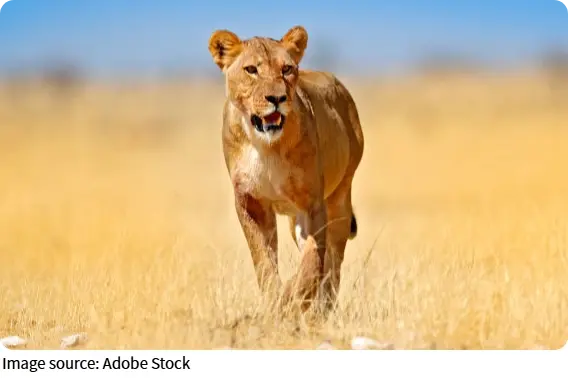
South Luangwa offers a rewarding setting for travellers who prefer a slower and more detailed outdoor experience. Its walking safaris combine scenic routes, knowledgeable guides, and opportunities to understand the landscape beyond the usual vehicle-based visit. With suitable preparation and a responsible operator, a guided walk can become one of the most memorable parts of a journey through Zambia.