Portugal's EV Support

Samir
| 17-11-2026
 · Automobile team
Buying an electric car may become more affordable for lower-income households in Portugal under a planned support programme that could cover up to 80% of an eligible vehicle's purchase price. Around 20,000 electric cars are expected to benefit.
The initiative also includes financial assistance for home charging equipment, while a separate incentive programme for the general population is expected to continue in 2027. Although the headline subsidy rate is generous, the scheme comes with specific price limits and eligibility conditions. Its final guidelines will determine who can apply and how much support each household can receive.
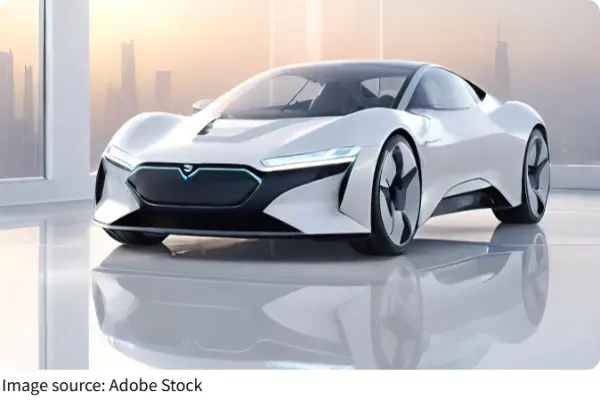
How the 80% Support Would Work
The planned programme introduces a percentage-based subsidy for lower-income households purchasing an electric car. Eligible buyers could receive assistance covering up to 80% of the vehicle's value, with approximately 20,000 cars expected to fall within the programme.
However, the subsidy would not apply to vehicles at any price. The eligible purchase price is capped at €15,000, excluding VAT. Buyers who also scrap an existing combustion-engine vehicle could qualify for a higher price ceiling of €16,000.
This distinction is important when considering the advertised 80% rate. The support is designed around relatively affordable electric cars rather than more expensive models. The price ceiling determines which vehicles can qualify, while the final amount each household receives will depend on the purchase price and the programme's eligibility rules.
The initiative also includes assistance for home charging equipment. Eligible participants could receive up to €1,000 towards installing a charging point. This additional support addresses part of the practical cost of owning an electric vehicle, particularly for buyers who need charging equipment at home.
Who Will Qualify?
The programme is specifically intended for households with lower incomes. However, the exact income thresholds have not yet been announced. Without those details, potential applicants cannot determine precisely whether their household will meet the requirements.
The official launch date also remains unconfirmed, and the detailed funding guidelines are still pending. Consequently, the announced subsidy rate and price limits provide an outline of the plan, but applicants will need to wait for the complete conditions before making purchasing decisions based on the support.
The expected coverage of around 20,000 electric cars gives an indication of the programme's intended scale. Nevertheless, the final application process and distribution of funding will depend on the rules published for the scheme.
Existing Electric Car Incentives Continue
The new support for lower-income households is planned alongside Portugal's regular electric vehicle incentive programme. Around €50 million is expected to be available for the general population in 2027, with conditions largely following those of previous funding rounds. Earlier in 2026, a separate programme provided €17.6 million for electric cars, electric two-wheelers and charging infrastructure. Private buyers could receive up to €4,000 towards an electric car.
That earlier grant came with several conditions. Applicants had to scrap a combustion-engine vehicle that was at least ten years old. The purchase price of an eligible car could not exceed €38,500, although the limit increased to €55,000 for vehicles with more than five seats.
Another funding round followed in June through the Portuguese Environmental Fund. It had a total allocation of €10 million and included vehicles purchased from the beginning of 2025. Applicants could qualify provided they had not already received support in an earlier round.
A Different Way to Calculate Grants
One notable difference in the new programme is how financial assistance will be calculated. Previous incentives generally offered a fixed maximum amount, such as the €4,000 available to private buyers earlier in 2026. The new scheme would instead cover a percentage of the vehicle's purchase price. This means the actual payment could vary between households, depending on the cost of the selected car and the final access requirements.
The maximum rate of 80% therefore does not mean every applicant will receive the same amount. The price ceiling, income criteria and other conditions will all influence the support available.
Support Extends Beyond Private Cars
Portugal's planned electric mobility measures also include business and public transport vehicles. Support is intended for up to 9,000 electric vehicles used by micro-enterprises. Additional assistance is planned for lower-emission heavy commercial vehicles and their charging infrastructure. Electric buses serving sparsely populated regions are also included, with funding intended to help cover their purchase.
These measures extend the focus beyond household car purchases. They address different parts of transport, including smaller businesses, commercial operations and bus services in less densely populated areas.
Portugal's planned 80% subsidy could make electric cars more accessible to lower-income households, particularly when combined with up to €1,000 in home charging assistance. However, the €15,000 purchase-price limit, the possible increase to €16,000 when an older vehicle is scrapped, and the yet-to-be-announced income requirements will determine how useful the programme becomes for individual buyers.
With the regular €50 million incentive programme also expected to continue in 2027, electric vehicle support will cover several groups of buyers and transport operators. The next important details will be the final eligibility rules and the official launch date.