Strawberries vs Blueberries

Vivienne
| 20-11-2026
 · Cate team
Welcome to today's article. You probably treat strawberries and blueberries as interchangeable toppings for yogurt or cereal.
But they don't offer the same nutritional package, and knowing the difference helps you pick the right one for what you actually need.

What Strawberries Bring to the Table
One cup of raw strawberries, roughly 150 grams, delivers about 85 milligrams of vitamin C—nearly an entire day's requirement in a single serving. The same cup carries around 3 grams of fiber, 220 milligrams of potassium, a helpful dose of folate, and only 50 calories with roughly 7 grams of natural sugar. Strawberries also supply ellagic acid and plant polyphenols studied for cellular protection. Because vitamin C is sensitive to warmth, light, and air, store unwashed berries in the refrigerator rather than on the counter and enjoy them within two to three days.
Blueberries and Their Darker Pigments
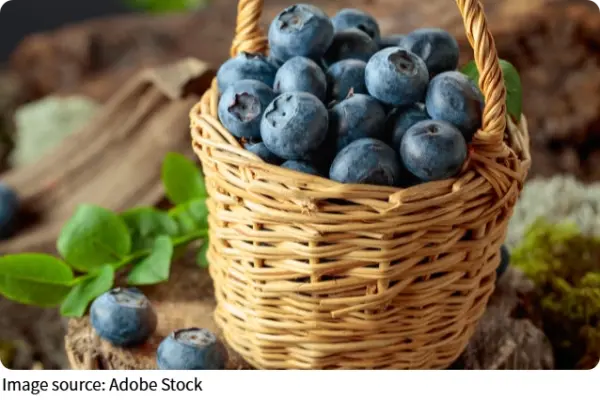
A cup of blueberries, about 148 grams, provides roughly 84 calories, 3.6 grams of fiber, and useful amounts of vitamin K and manganese. Their standout compound is anthocyanin, the natural pigment behind their deep blue-purple skin. Anthocyanins help counter oxidative stress and support healthy blood vessels, which is why blueberries appear frequently in research on memory and healthy aging. Because those pigments sit mostly in the outer skin, smaller berries offer a slightly higher concentration per bite, and freezing locks those compounds in for months.
Where They Actually Differ
Strawberries win on vitamin C by a wide margin—one cup gives you more than a typical medium orange, all for roughly 35 fewer calories than the same volume of blueberries. Blueberries, meanwhile, pack slightly more fiber, natural sweetness, and dark polyphenol pigments into every handful, with zero hulling or slicing required. Choose strawberries when you want high volume, bright acidity, and immune-supporting vitamin C on fewer calories; reach for blueberries when you want concentrated antioxidants and grab-and-go ease.
Neither fruit is the single winner—they simply fill different nutritional gaps. As registered dietitian Maggie Moon notes, a berry's high polyphenol content is key to protecting memory and attention, adding that "the more people are eating fruits and vegetables, including berries, the better.
How to Eat More of Both
Toss a handful of blueberries into warm morning oatmeal and layer sliced strawberries on top once it cools slightly—gentle heat bursts blueberries into sweet juice while fresh strawberries keep a bright, tart snap. Both also shine in plain Greek yogurt, chia pudding, and spinach salads with toasted nuts and soft goat cheese. To keep fresh cartons crisp longer, wait to rinse berries until right before eating so extra moisture does not trigger early mold. When summer prices drop, spread washed, dry berries in a single layer on a baking sheet to freeze solid before transferring them to a freezer bag for smoothies and baked goods all year.
Pick What Fits Your Day
Keeping both berries in rotation means you never have to trade bright vitamin C for deep purple polyphenols—or fresh crunch for freezer convenience. Next time you shop, let your week's meals guide the cart: grab fresh strawberries for crisp salads and snacking, keep a bag of blueberries on standby for oats and smoothies, and enjoy the best of both.