Buenos Aires Unfolds

Yuna
| 24-11-2026
 · Travel team
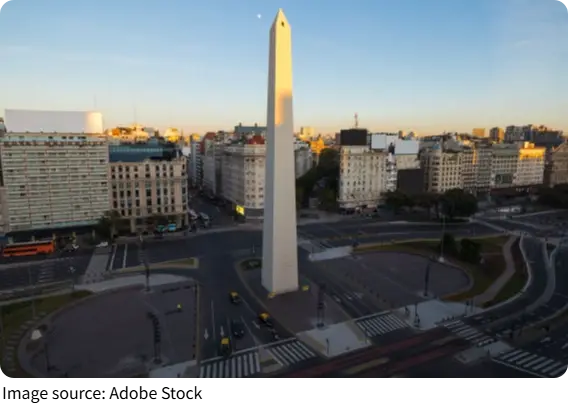
Hey, Lykkers! Buenos Aires does not reveal itself all at once. The first impression is traffic, grand boulevards, and a certain European elegance that feels slightly out of place in South America.
But stay a few days, and the city starts to show its seams: a cemetery that is more like a sculpture garden, a neighborhood painted in leftover ship paint, a market that only exists on Sundays. The costs are manageable if you know where to look, and the best moments often cost nothing at all. Here are five places that show you the real Buenos Aires.
Recoleta Cemetery
This is not a morbid stop. It is an open-air museum of marble mausoleums, stained glass, and family stories stretching back generations.
The most famous grave belongs to Eva Perón, and it is almost always decorated with flowers. Foreign visitors pay around US$15 at the entrance, and payment is by card. Go in the morning before 11:30 AM for the best light and fewer people. Give yourself an hour to wander without a map. The side alleys are where the most photogenic tombs are hiding.
Recoleta Cemetery
La Boca and Caminito
The colorful houses here were painted with leftover ship paint by Italian immigrants, and the result is now the city's most photographed street. Caminito itself is free to walk, and you will find street tango performances along the way. The Boca Juniors stadium museum is nearby if you are interested in football history, with entry around US$25. One important note: visit during the day and stay within the main tourist area. The surrounding neighborhood has a more complex security situation after dark.
Teatro Colón
This is one of the world's great opera houses, and even if you do not catch a performance, the guided tour is worth your time. The interior is all gilded balconies, red velvet, and acoustics that have been carefully engineered for over a century. Guided tours run about US$23 to US$46 depending on the provider, and they last around an hour. Book ahead if you can. The building itself is a landmark, and standing in the main hall gives you a sense of the city's old ambition.
San Telmo Sunday Market
Every Sunday, the cobblestone streets of San Telmo fill with an antiques market that stretches for blocks around Plaza Dorrego. You will find silver, old books, vintage clothing, and mate gourds. The real draw, though, is the tango. Couples dance in the square and on the side streets, not as a performance but as a way of life. The market is free to browse, and it runs from around 10 AM to 5 PM. Go before noon to avoid the worst of the crowds, and keep your valuables close.
San Telmo Fair
Museo Nacional de Bellas Artes
This is the city's premier art museum, and admission is free. The collection spans centuries and includes Argentine masters alongside international names. It is located in Recoleta, which makes it easy to pair with the cemetery on the same day. The museum is closed on Mondays, and hours run from late morning into the evening. Give yourself two hours if you want to see it properly. It is a quiet, generous space, and the price is impossible to argue with.
Final Thoughts
Buenos Aires rewards a slower pace. The cemetery and the art museum ask for a small ticket or nothing at all. Caminito and Puerto Madero are free to wander. The market and the tango in San Telmo cost nothing but your time. What the city asks of you is patience and a willingness to look past the grand boulevards. The real character is in the side streets, the painted walls, and the dancers who show up every Sunday because that is simply what they do.
Buenos Aires Vacation Travel Guide | Expedia
Video By "Expedia"