Banaue Rice Terraces Guide

Declan Kennedy
| 24-11-2026
 · Travel team
Hi, and thanks for joining us. You have probably seen the photos of the Banaue Rice Terraces a hundred times, those green steps carved across the mountains of northern Luzon.
But the pictures don't prepare you for the scale of the thing, or for how much planning it takes to actually stand on the viewing deck at Batad.
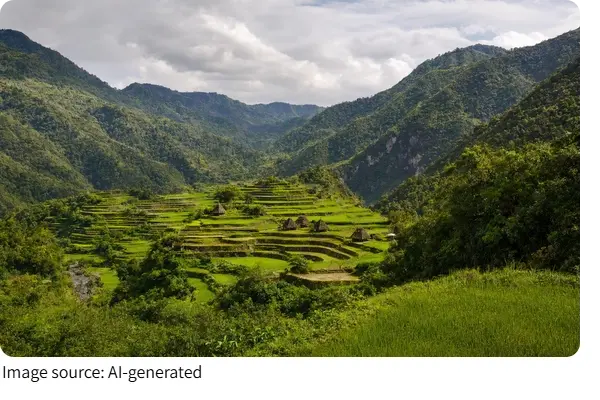
Batad Rice Terraces
What you're actually looking at
The terraces were carved into the Ifugao highlands by hand, generation after generation, and estimates put their age at roughly 2,000 years. They follow the contours of the mountains so precisely that the stone and mud walls hold water for rice planting using traditional irrigation channels that bring water from surrounding watersheds. You'll see two main areas: the Banaue terraces right by town, viewable from the roadside viewpoints, and the amphitheater-shaped cluster at Batad, which most people consider the more dramatic of the two. Batad is a steep 40-minute hike down from the road, and you'll feel every step on the way back up.
Getting there takes patience
Most travelers start from Manila and take an overnight bus to Banaue. Allow roughly 9 to 12 hours, depending on traffic, weather, and stops. Departure terminals vary by operator, so confirm the exact boarding point when booking. From Banaue, arrange local transport to the viewpoints or the road access point for Batad. A local guide can help with terrace paths and route choices. As a planning estimate, allow around US$21 to US$26 per group for a basic guided walk, with longer routes and transport charged separately. Confirm the total before setting out.
Timing your visit around the rice
The terraces change with the farming cycle: flooded paddies reflect the sky, growing rice turns the slopes green, and mature crops bring golden tones before harvest. Planting and harvesting dates vary between villages, elevations, and individual plots. Ask your accommodation or a local guide about current conditions in Banaue and Batad before choosing dates for photography. Heavy rain can make terrace paths slippery and disrupt road access, so keep some flexibility in your hiking plans.
Costs and where to sleep
Banaue is a budget destination by most standards. A basic guesthouse room in town runs about $15 to $30 a night, and simple lodges near Batad charge similar rates. Add roughly $25 to $40 a day for meals, guides, and local transport if you keep it simple. Small entrance, registration, or environmental fees may apply at individual sites. Confirm current charges locally and keep small cash denominations available.
Practical tips before you go
Pack layers. Banaue sits around 1,200 meters up, and nights get genuinely cold by Philippine standards, often down to 15°C. Bring a light rain jacket even in the dry months. And give yourself at least two nights, because the bus ride eats a full day on each end and rushing Batad in a single afternoon is a mistake. Book your return bus seat when you arrive in town, not the day you want to leave, since seats fill up fast in peak season.
Food Tip
Guesthouses and small eateries in Banaue offer convenient meal stops before or after a terrace walk. Vegetable dishes with rice, vegetable omelets, and simple noodle dishes provide options for a filling lunch. A planning budget of roughly US$4 to US$8 per meal is a useful starting point. At smaller Batad lodges, ordering dinner ahead can help the kitchen prepare, especially when supplies need to be carried into the village. Breakfast before an early hike also makes the steep return walk more comfortable.
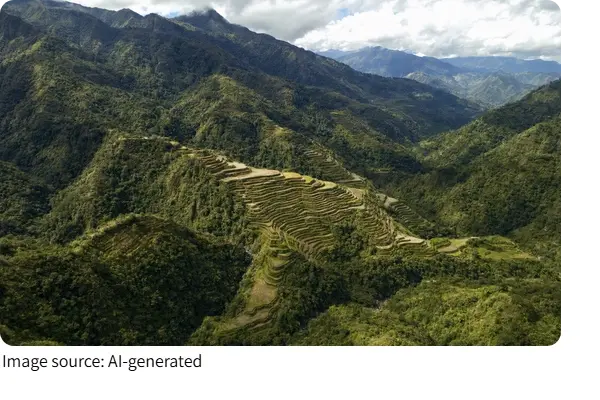
The terraces reward the travelers who slow down and give the place a couple of days rather than treating it as a photo stop. Go in May if you can, hire a local guide for Batad, and carry enough cash to cover the small stuff. The walk down into that amphitheater is worth every step back up.