Hoh Rain Forest Guide

Hiro
| 24-11-2026
 · Travel team
Hi, let's get started. You probably expect a rain forest to be loud, all dripping and birdsong and crashing water.
Walk into the Hoh and the first thing you notice is how muffled it feels. Moss hangs off the bigleaf maples in long green curtains, the ground is a carpet of ferns, and the sound of your own boots on the wet trail is often the loudest thing around.
Hoh Rain Forest
Getting there takes planning
The Hoh is deep in Olympic National Park, about 30 miles south of Forks off Highway 101, and the last stretch on Upper Hoh Road is a two-lane drive that ends at the visitor center. No shuttle runs out here, so you'll need a car. The park entrance fee is $30 per vehicle for a seven-day pass, and that covers the Hoh as well as Hurricane Ridge and the coast. Arrive before 9 a.m. if you can. The parking lot fills by mid-morning in summer, and the road backs up when it does.
The trails you actually want
Two short walks cover much of what visitors come for. The Hall of Mosses is a 0.8-mile loop through moss-covered trees, while the 1.2-mile Spruce Nature Trail passes through forest and along the Hoh River. For a longer outing, Five Mile Island is five miles from the trailhead, making a ten-mile round trip that requires several hours. Turn around earlier if you want a shorter walk. The Blue Glacier moraine is about 18.5 miles one way and is a demanding backcountry destination, generally approached as a multi-day trip with appropriate preparation and permits for overnight stays.
Why the wet matters
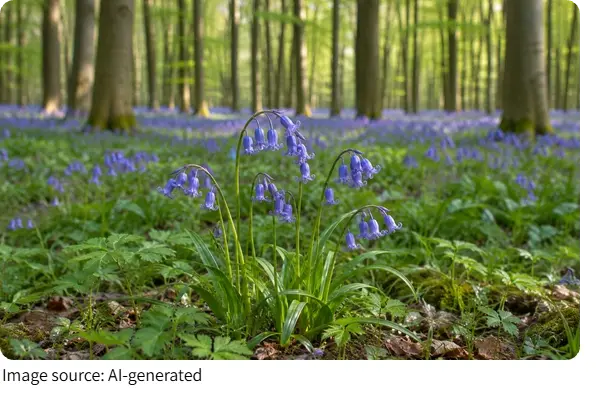
This place gets around 140 inches of rain a year, and that moisture shapes everything you're looking at. It feeds towering Sitka spruce and western hemlock and supports the mosses and ferns covering the forest. Roosevelt elk sometimes appear in meadows and along the river, especially early in the morning or near dusk. Keep at least 50 yards, roughly 46 meters, from wildlife and give animals more space if they react to your presence. Never approach or feed them.
What to wear and carry
Do not dress for a normal hike. Dress for a place that stays damp most of the year. Waterproof boots with real tread matter more than anything else, because the trails hold mud and tree roots get slick. Bring a rain shell even on a clear forecast, since the canopy keeps dripping long after the rain stops. A dry layer in your pack is worth the weight. And carry water, because the river looks clean and is not treated.
Timing your visit right
Summer brings the longest days and the most company, with July and August the busiest. Spring and fall are quieter and the forest is just as green, though you'll deal with more rain and shorter daylight. Winter visits are possible, but check road conditions first, since Upper Hoh Road can close after storms. Whatever season you pick, give yourself at least half a day here. Rushing the Hoh defeats the point of it.
Food Tip
Bringing a packed lunch makes it easier to spend several hours on the trails without returning to town. Vegetable sandwiches, fresh fruit, nuts, and water are practical options for a picnic break. Forks offers places to buy supplies before the drive into the forest. As a planning estimate, allow around US$10 to US$15 per person for a simple packed lunch, or roughly US$15 to US$25 for a casual meal in town. Store food securely, use designated picnic areas, and take all rubbish away with you.
Where to Stay
Forks is a convenient base for visiting the Hoh and the nearby coast, with motels, cabins, and other accommodation options. As a planning estimate, allow roughly US$120 to US$200 per night for a mid-range room, with higher rates possible during busy summer dates. Staying nearby makes an early arrival easier. Camping is another option, but check current campground availability and reservation requirements before travelling.
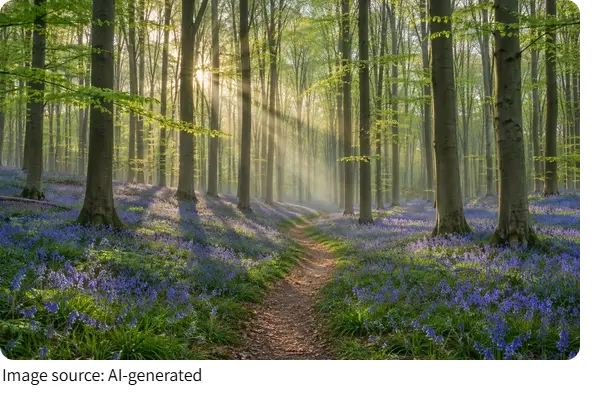
The one thing worth remembering is that this forest rewards slow walking. Book your pass, get there early, wear boots you don't mind getting muddy, and let the trail set your pace. Give it a morning and you'll understand why people drive hours just to stand under those trees.