Seattle Without the Crowds

Caroll Alvarado
| 25-11-2026
 · Travel team
Seattle gets sold to you as one thing: a rainy city with a tower and a fish market, but that version costs you a morning in line and a photo you've already seen.
The city works better when you treat it as a set of neighborhoods stitched together by water, and you move between them the way people who live here actually do.
Ride the Ferries First
Washington State Ferries runs the largest fleet in the country, and the ride from downtown to Bainbridge Island takes about 35 minutes each way. Walk on, and the round trip runs you around $11, which is the cheapest harbor tour you'll find anywhere in the city. Stand on the open deck on the way back, and you get the skyline from the water, Mount Rainier behind it on a clear day. Do it early, before the commuter rush fills the car deck.
Pike Place, Timed Right
The market opens at 9 a.m., and the fish-throwing happens all day at the main counter, but the crowd peaks between 11 and 2. Get there at opening, and you can actually walk the lower levels, where the little shops and the gum wall sit. Skip the original coffee shop line; it's a photo op, not a coffee stop. Walk two blocks to a local roaster instead, and you'll wait five minutes, not forty.
Ballard Does the Heavy Lifting
The Hiram M. Chittenden Locks in Ballard let boats pass between Puget Sound and the freshwater ship canal, and there's a viewing area where you can watch the water level drop. Free and open daily, with an adjacent fish ladder featuring glass windows so you can see salmon climbing the steps in season. From there, walk into old Ballard for the Sunday farmers market, which runs year-round and fills a full city block.
Getting Around Without a Car
Light rail from the airport to downtown takes about 40 minutes and costs $3. Link trains run every 6 to 10 minutes most of the day. For the neighborhoods, the streetcar connects Capitol Hill and First Hill, and the King County Water Taxi runs from downtown to West Seattle for a few dollars. If you're staying in the city center, you don't need a rental. Parking downtown runs $20 to $40 a day, and that money is better spent on a good dinner.
Where to Sleep and What It Costs
Downtown hotels average $270 to $320 a night in summer, and prices climb during cruise season, when ships dock at Pier 66 and Pier 91. Book a month or more in advance and consider Belltown or South Lake Union for slightly lower rates. Capitol Hill has fewer hotels but a walkable grid and easy transit. If you're here in July or August, expect the highest prices of the year, and expect the sun to actually show up.
Rain Is Not the Whole Story
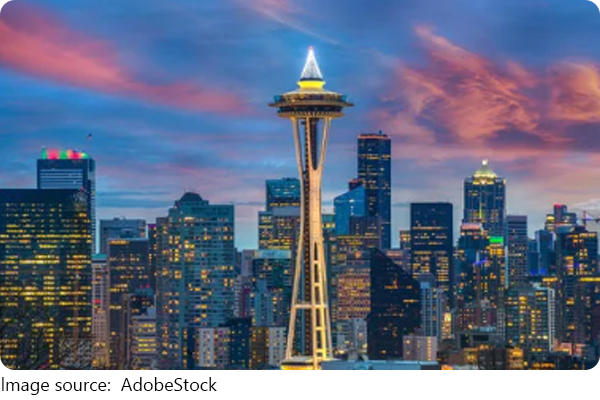
Seattle gets about 37 inches of rain a year, less than New York or Atlanta. What it does have is a lot of gray days from October through March, so pack a light waterproof layer and don't cancel plans over drizzle. Locals keep going. Discovery Park in Magnolia gives you 534 acres of trails and a lighthouse, and it's quiet even on weekends. Kerry Park on Queen Anne is the postcard view, small, free, and best at sunset when the sky clears.
The thing to remember is that Seattle rewards you for moving like a local, taking the ferry, timing the market, walking the locks, and skipping the one attraction everyone queues for. Build your day around water and neighborhoods, and the city opens up in a way the checklist version never does. Give it a try on your next trip, and you'll wonder why you ever stood in that line.